Cardio Pulmonary Resuscitation (CPR)
Cardio Pulmonary Resuscitation alongside defibrillator use
Seconds Save Lives: Mastering the Chain of Survival
Every second counts when someone collapses. When a cardiac arrest occurs, the clock starts ticking immediately. At the St. Agnes Parishwide Defibrillator Network, our mission is to replace hesitation with action and fear with confidence.
Why Your Action Matters
Many people hesitate to step in because they fear causing further injury. It is a natural concern, but the reality is stark: if you do nothing, the person will not survive. Doing something—anything—is always better than doing nothing.
The Power of the "Double Threat": CPR + AED
To give someone the best possible chance of recovery, we advocate for the combined power of Cardio Pulmonary Resuscitation (CPR) and Automated External Defibrillators (AEDs).
CPR (The Manual Pump): By performing chest compressions, you act as the person’s heart, manually pumping oxygenated blood to the brain and vital organs. This keeps the body "viable" while the defibrillator is being retrieved.
The Defibrillator (The Restart): While CPR maintains blood flow, the AED is the only way to "reset" the heart’s rhythm. Our network of easy-to-use defibrillators provides clear, step-by-step voice instructions to guide you through the process.
You Are the Difference
By combining high-quality CPR with the rapid use of a defibrillator, you significantly increase the odds of survival. You don't need to be a medical professional; you just need to be willing to try.
You Don't Need Training to Be a Hero
Modern Public Access Defibrillators (PADs) are designed for everyone. You don't need a medical degree or formal first-aid training to use one effectively.
Safety First: A defibrillator is "smart." It will only deliver a shock if the patient’s heart specifically requires it. You cannot accidentally harm someone by using one.
Voice-Guided Help: The device literally talks to you. Sophisticated software provides clear, step-by-step verbal instructions, guiding your hands and your timing throughout the entire process.
Total Support: When you call 999, the emergency operator stays on the line with you. They will locate the nearest device, give you the access code, and talk you through every action until paramedics arrive.
Why Taking Action Matters
The biggest risk to a casualty isn't the defibrillator—it’s a bystander doing nothing. Without intervention, the chances of survival drop significantly with every passing minute.
Every 1 minute delay with providing support leads to a 10% less chance of survival. 10 minutes can mean the difference between Life or Death.
The Bottom Line: You cannot make the situation worse. By simply following the device's instructions, you provide that person with their best possible chance at life.
If you have a pulse... give someone else a pulse!
what happens with cpr?
How CPR Works: Becoming the Body’s "External Engine"
When a person’s heart stops beating and they cease breathing, the clock starts ticking. CPR (Cardiopulmonary Resuscitation) is the vital bridge between life and death. By performing CPR, you are essentially stepping in to manually operate the body’s most critical systems.
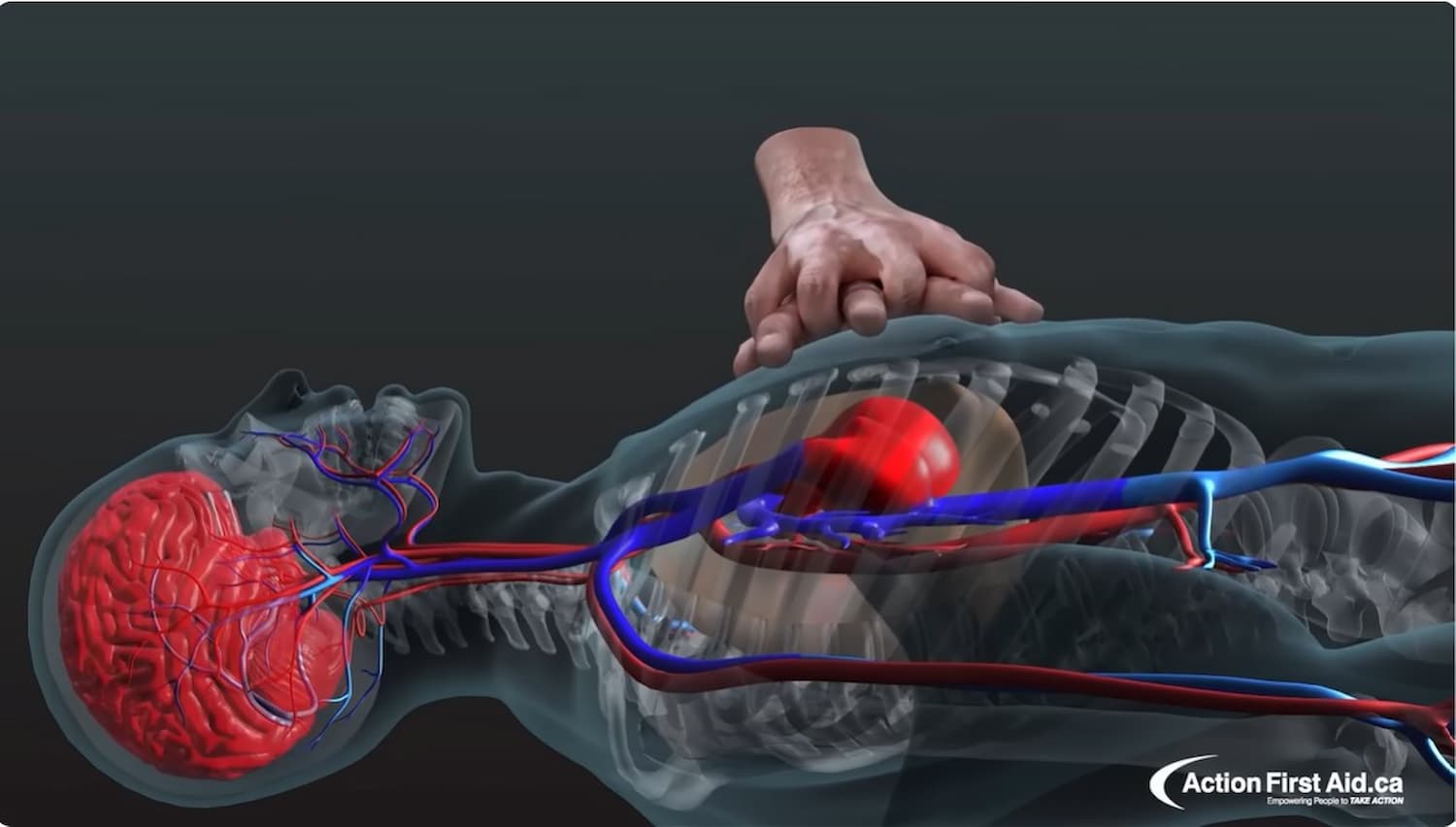
Key Takeaway: If you don't attempt CPR, you will definitely not save a life.
How to perform cpr
Do you know how to perform CPR?
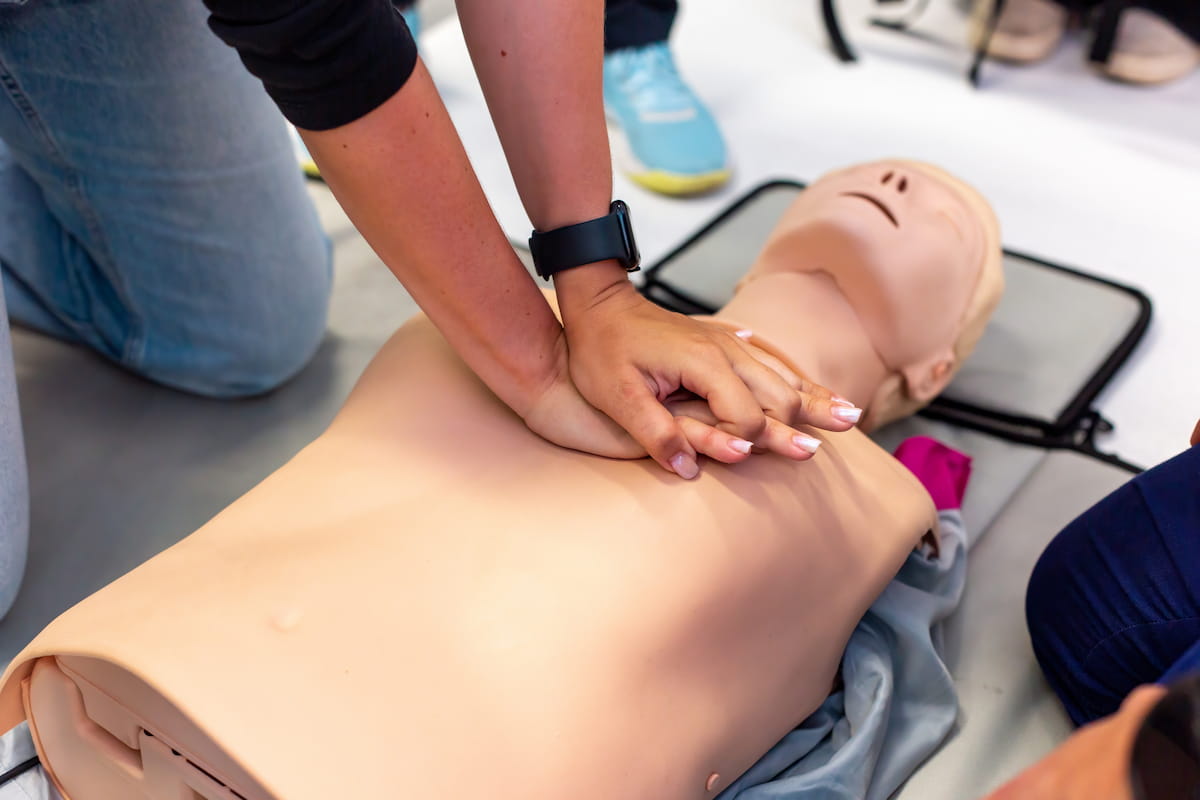
CPR ‘Train at Home’
RevivR
Take a look via clicking the button below.

Lifesaver learning
Learn how to
be a Life saver.
Be ready to spring into action by learning lifesaving skills at any time, anywhere with the interactive Lifesaver tool from the Resuscitation Council UK.